

NON-SPECIFIC PAIN IN THE LUMBAR SPINE AND THE MOBILITY OF THE HIP JOINT IN JUDOKAS
The aim of this work was to verify the effect of chronic non-specific pain in the lumbar spine on the level of active and passive rotation of the hip joint in the group of high-level judokas.
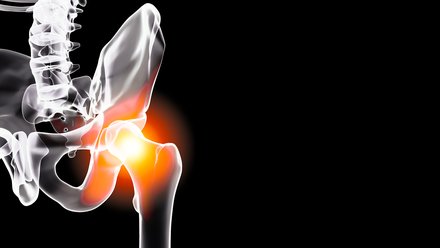
The hip joint is very often stressed and heavily loaded in the performance of diverse techniques in martial arts performance.
The aim of this research was to study the relationship between non-specific low back pain and hip rotation range of motion in judo athletes.
A total of 17 judokas, including 9 males and 8 females, an average age of 18.65 ± 2.83 years, a body height of 171.18 ± 8.02 cm and a body weight of 64.06 ± 11.00 kg were divided into groups based on their anamnesis: group (n = 8) with lumbar spine pain for more than 6 months (nsLBP) and control group (n = 9) without pain (CG).
Based on the results of the research we did not find significant differences in the active and passive hip intra- and extra-rotation between nsLBP and CG groups. However, we found a moderate substantive significance between nsLBP and CG in the active and passive internal rotation of left lower limb, indicating a possible relationship between lumbar spine pain and reduced hip mobility.
We also found a lower value for hip joint mobility in judo players compared to reference values.
Conclusion: The probands in both our groups showed a lower range of motion in the hip joint compared to the general population, therefore judo coaches need to pay more attention to the development of hip mobility.
Fulltext can be found on: http://zl.tnuni.sk/fileadmin/Archiv/2019/2019-7.c.3/ZL_2019_7_3_04_Stefanovsky.pdf